





Written by:
Last Updated:
March 24th, 2026
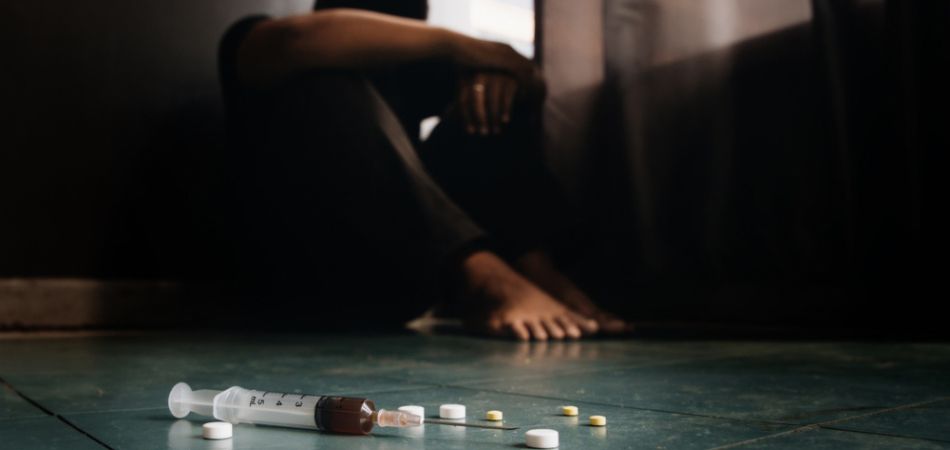
If you’ve tried to stop drinking or using drugs, you already know what the cycle feels like. You use substances to feel good or make things easier; they work for a while, but then addiction makes everything harder. In order to cope, you keep using, not because you want to, but because you can’t see any other way. When you do manage to stop or even just cut down a little, cravings, triggers, stress, and struggles take you right back to square one.
This is how addiction works, but research has shown why it happens. Understanding the mechanics won’t make the cycle disappear, but it can help you see how it can be broken.
How the addiction cycle works
Researchers have identified a repeating three-stage cycle that drives drug and alcohol addiction. The stages are distinct, involving different brain regions and different chemical processes, but they feed into one another to keep the pattern going.
These three stages don’t always play out over weeks, and for someone deep in addiction, the entire cycle can repeat multiple times in a single day.
Why the cycle tightens over time
Two changes happen as addiction progresses, and both make the cycle harder to escape.
The first is tolerance. The brain adapts to repeated exposure by becoming less responsive to the substance. The same dose that once produced a powerful effect now produces a weaker one, so you need more to get the same results. At the same time, the brain’s reward baseline drops, so activities that used to bring you pleasure, like food, conversation, exercise, or sex, start to feel flat and unsatisfying. The drug then becomes the only reliable source of feeling okay.
The second shift is in motivation. Early in addiction, most people use because it feels good. The substance adds something to their experience, whether that is a pleasurable high or an escape from stress or pain. But as the cycle progresses, the withdrawal stage can become so unpleasant that you drink or use drugs just so you don’t feel bad. This is why people continue using even when substances have stopped delivering any real pleasure. The high is gone, but the low without them is unbearable.
Where the cycle can be broken
The cycle has three stages, which means there are three potential points of intervention. You can work to prevent cravings from arising in the first place by managing your environment and triggers. You can learn to ride out urges when they hit without acting on them. And if you do slip, you can prevent a lapse from turning into a full relapse.

1. Interrupting cravings before they take hold
Cravings don’t appear randomly. They are triggered by cues the brain has learned to associate with use, and if you can identify and manage those cues, you can reduce how often cravings arise and how intense they get.
2. Managing urges when they hit
Even with the best preparation, cravings will still arise, so the key is learning to experience them without acting on them.
3. Recovering from slips without spiralling
A lapse doesn’t have to become a relapse, and one drink or one episode of drug use is not the same as returning to daily addiction. What often turns a slip into a spiral is the shame that follows, where you feel like you’ve ruined everything, so you may as well keep going, as the damage is already done.
Researchers call this the abstinence violation effect. The emotional crash after a lapse can be so intense that it becomes its own trigger, driving further use as a way to escape the bad feelings. If you can recognise this pattern, you can interrupt it and learn from it. The goal is to get back on track quickly rather than letting guilt make things worse.
Why the addiction cycle is hard to break alone
The part of your brain responsible for rational decision-making is exactly what addiction impairs. During intense craving, the rational part of you is outvoted by the part that just wants relief. This is why willpower alone so often fails, and why professional treatment can make such a difference.
Inpatient alcohol and drug rehab provides structure when you can’t provide it for yourself. Medical detox can ease the physical burden of withdrawal. Therapy teaches ways of handling cravings that become automatic over time. And removing yourself from your usual environment, even temporarily, breaks the cue-triggered associations that keep pulling you back.
Getting help from UKAT
If you recognise this cycle in your own life, you don’t have to keep fighting it alone. UKAT offers medically supported detox, residential rehab, and ongoing aftercare designed to help at every stage, Contact us today for a confidential conversation about your situation. The cycle can be broken, and we can help you do it.
(Click here to see works cited)
- Koob, George F., and Nora D. Volkow. “Neurocircuitry of Addiction.” Neuropsychopharmacology, vol. 35, no. 1, 2010, pp. 217-238. https://pmc.ncbi.nlm.nih.gov/articles/PMC2805560/
- National Institute on Drug Abuse. “The Neurobiology of Substance Use, Misuse, and Addiction.” Facing Addiction in America: The Surgeon General’s Report on Alcohol, Drugs, and Health, U.S. Department of Health and Human Services, 2016. https://www.ncbi.nlm.nih.gov/books/NBK424849/

