




Last Updated:
October 12th, 2026
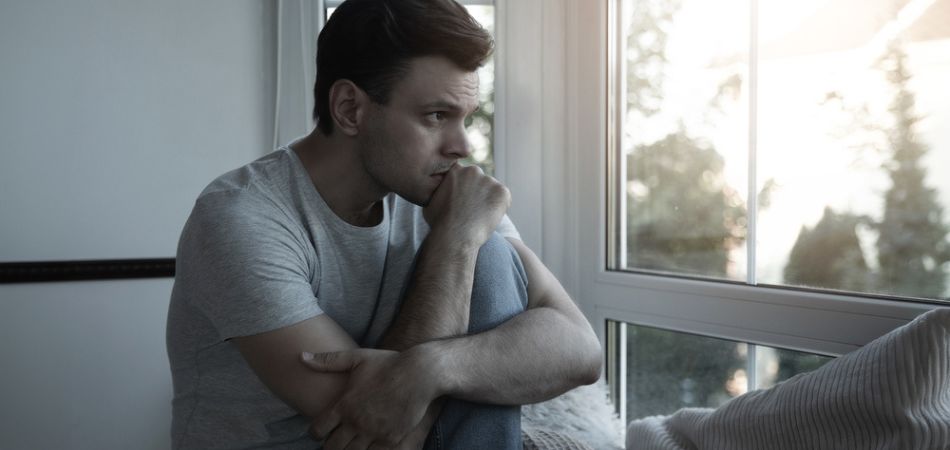
It sounds cliched, but addiction recovery really does have its ups and downs. There will be days when everything is easy, but others where it all feels like too much. These days can start to make you question whether you really have the strength to do this. Many people who haven’t experienced addiction think the harm is all physical. But addiction and mental health issues like depression are closely linked, with mental difficulties often continuing after rehab is finished.
Even without mental health issues, the work of recovery can be exhausting, especially the first weeks after you stop, and the transition period when you return home from rehab. But understanding why recovery is hard, and the often small things that can really help, can give you the strength and confidence you need to keep going.
Why addiction and depression feed each other
Almost three-quarters of the adults who started addiction treatment in 2025 had a mental health need. One of the first things that can help is understanding why this is the case.
Addiction and conditions like depression often go together, and each one makes the other worse. With depression, drinking and drugs can lift your mood for an evening but then make it worse for days and days after. This can be made worse by growing money and sleep problems that come with addiction.
As you lose control of drug use, drinking, or addictive behaviour, hiding the addiction while also dealing with the problems can really take it out of you. Some people drink or use because they feel low, and others feel low because of what they’re using. For most people, it’s both at once, so both need managing for effective recovery.
Why you might feel worse before you feel better
That link between addiction and mental health doesn’t go away immediately when you stop using, and it can even feel stronger before it gets better.
The alcohol or drugs were doing a job, usually helping with feelings you didn’t want, and when you stop, those feelings can come right back with nothing to soften them. Grief and guilt can both feel stronger in the early weeks of rehab and when you go home from treatment.
Recovery and mental health improve together, but rarely at the same speed. This is completely normal, but it can still take people by surprise. Oasis Bradford provides close support both during rehab and through our aftercare programme for lingering symptoms. While everyone is different, week three feeling a little worse than week one doesn’t mean you’ve gone backwards or that recovery isn’t working. With patience and the right support, you should start to see meaningful improvements.
Spotting the small signs of progress
When it feels like recovery isn’t working, or is going slower than you hoped for, it can really help to have something concrete to point to. Overcoming addiction takes countless small steps, and most of them don’t feel like much at the time.
But when you get through an afternoon without using drugs, turn up to a therapy session when you really weren’t feeling up to it, attend a party without feeling the need to drink, or just admit how things are going to someone close to you, that is real progress.
Some weeks you may manage nothing except keeping your appointments, but that’s still another week in recovery completed successfully. Write each small achievement and milestone down, no matter how insignificant they may seem, and that growing list can help on a bad night.
Looking after your emotional wellbeing
It’s so important to look after your emotional wellbeing on the good days as well as the bad ones. The things that help are often simple, and many build on things that you learn in rehab. A few of them cost anything.
Keeping a consistent routine is really important because too much empty time can make a low mood worse. Getting enough quality sleep can stop a few bad nights causing bigger issues.
It can also help a lot to spend time outside. For example, researchers who tracked nearly 20,000 people in England found that those who spent two hours or more a week in nature reported better health and wellbeing. That can be a job, a coffee on a bench in the park, taking your dog for a walk, or just spending time in your garden.
You also need to make time for things you care about, especially ones which you gave up or lost interest in because of addiction. It really doesn’t matter whether that’s cooking or football.
All of these healthy coping strategies can help prevent low mood, and make your life more enjoyable in general.

Getting help from the people around you
Coping with addiction on your own is possible, but it’s much harder than it needs to be. On the low days, it can be tempting to ignore the phone and wait it out alone. But connection is often described as the opposite of addiction, and leaning on your support network can stop a difficult day from triggering a full relapse or mental health crisis.
Even if you’ve started drifting away from people, sending one honest message can bring you back to the people who want to be there for you. They are the people who can also keep you accountable, because it’s harder to go back to old habits when somebody who cares would notice. Group therapy works partly for this reason and it’s one reason why Oasis Bradford provides group sessions both during residential treatment and aftercare.
Dealing with setbacks and bad days
Even with people around you, some days will still be harder than others. Addiction recovery has flat patches, and it has properly bad days. When these come important, you expect less of yourself and keep your plans simple. Tell the person you’ve been texting how today is going, and leave any big decisions for tomorrow. Take it one day at a time, and on the very worst days, one decision at a time. Get through today, and let that be enough. If the hopelessness lasts weeks instead of days, that’s the point to stop waiting it out and get professional help.
Addiction treatment for substance abuse recovery
There’s a limit to what willpower and good habits can do on their own, and that’s where addiction treatment comes in. In therapy, you can work out what’s behind the low moods, and where the drinking or drug use fits in. A therapist helps you deal with the cause rather than the symptom, and shows you how to get through the worst days without using.
At Oasis Bradford, we consider mental health and recovery together instead of looking at them as separate problems. Before every client leaves residential treatment, we help them plan for the dark days which will inevitably come. Relapse prevention plans are unique to each person, and include what to do, where to go, and who to call when you’re feeling low.
If today is a hard one, get in touch with us and let’s talk about what’s going on. Nobody at Oasis Bradford will rush you into anything. We offer treatment and ongoing recovery support, and we’ll tell you honestly what would help. The bad days pass more easily with help, and we’re here when you’re ready.
(Click here to see works cited)
- Holt-Lunstad, Julianne, et al. “Social Relationships and Mortality Risk: A Meta-analytic Review.” PLoS Medicine, vol. 7, no. 7, 2010, e1000316, doi.org/10.1371/journal.pmed.1000316.
- Office for Health Improvement and Disparities. “Adult Substance Misuse Treatment Statistics 2024 to 2025: Report.” GOV.UK, 4 Dec. 2025, www.gov.uk/government/statistics/substance-misuse-treatment-for-adults-statistics-2024-to-2025/adult-substance-misuse-treatment-statistics-2024-to-2025-report.
- White, Mathew P., et al. “Spending at Least 120 Minutes a Week in Nature Is Associated with Good Health and Wellbeing.” Scientific Reports, vol. 9, article 7730, 2019, doi.org/10.1038/s41598-019-44097-3.

