




Last Updated:
June 17th, 2026
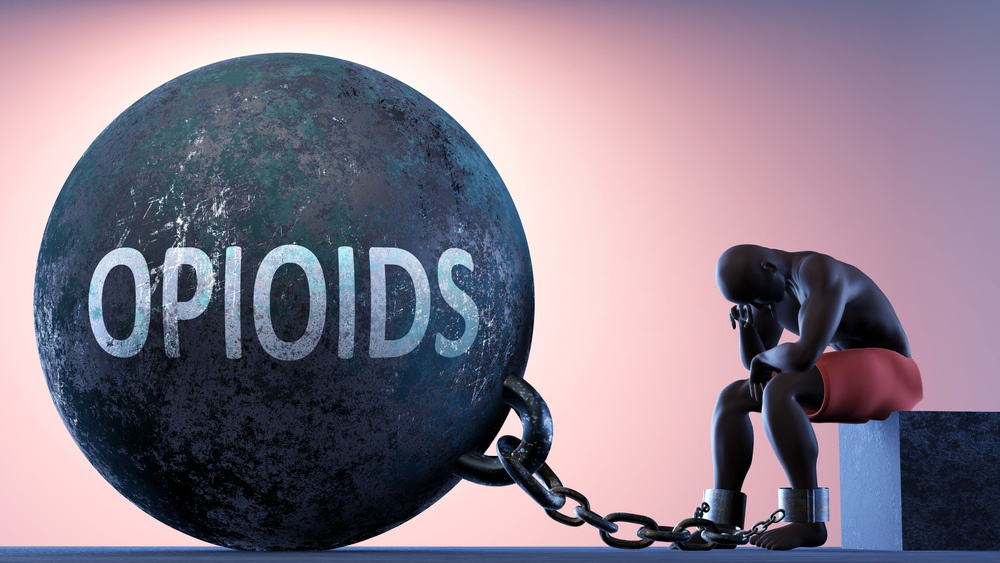
Opioid withdrawal is often described as the worst flu ever, and the symptoms can feel remarkably similar. They include the same body aches, sweating, shivering, upset stomach, and even a runny nose. These symptoms are the outward sign of your body reacting to the sudden absence of a drug it has become reliant on. This article will explain why opioid withdrawal feels like the flu, and why managing opioid withdrawal is not something you should attempt alone.
What causes opioid withdrawal?
Opioid withdrawal is what happens when someone who has become dependent on opioids cuts down or stops using them. Dependence develops because your system adapts to the presence of the drug. When that drug is no longer there, the body struggles to function normally without it. Withdrawal is the uncomfortable process of readjustment, which brings on a whole range of physical and psychological symptoms.
Opioid dependence is a serious problem in the UK. In England, around 44% of people getting help for drug problems are there because of opioids (and opiates, naturally derived drugs from the same family), and they are involved in nearly half of all drug-related deaths.
The terms opioids and opiates are often used interchangeably despite the difference between them, and include a range of substances, from prescription painkillers like codeine to illegal drugs like heroin. What they all have in common is that they work on the same parts of the brain and body that your natural painkillers do. They produce pain relief and feelings of calm or a “high” which makes you want to use them again.
The effects of opioid dependence build gradually, often without you fully realising how reliant your body has become on the drugs just to feel normal and avoid withdrawal.
Opioids and endorphins
To understand why opioid withdrawal feels like flu, it helps to know what opioids do when they are in your system. Your brain naturally produces chemicals called endorphins, which help regulate how pain feels and what kind of mood you’re in.
When you take opioids, the drug hits those same parts of the brain much harder than your natural endorphins can. With repeated use, your brain responds by reducing its own production of endorphins. It also becomes less sensitive to the effects of opioids, so you have to take more opioids or stronger types. This is called tolerance. When you start taking more or stronger drugs, your endorphin production gets lower and lower.
When you stop taking opioids, your natural endorphin system is still suppressed. Your brain is not producing enough of its own feel-good chemicals, and it takes time for production to recover. This leaves you much more sensitive to pain and discomfort, which is part of why withdrawal feels so physically unpleasant.
Opioids and the nervous system
The other major factor in opioid withdrawal is what happens in a part of the brain called the locus coeruleus. This small region is packed with opioid receptors and plays a big role in keeping you alert and managing your body’s stress response. When you take opioids regularly, activity in the locus coeruleus is suppressed, which is partly responsible for the calming, sedating effects of opioids.
When opioids are removed, the locus coeruleus rebounds. Activity in this region increases dramatically, leading to a surge of noradrenaline throughout the body. This is what causes the physical overdrive that happens during withdrawal, including rapid heart rate, elevated blood pressure, sweating, and that intense feeling of restlessness and agitation. Research has shown that this flood of stress chemicals is one of the main reasons opioid detox symptoms feel so intense, and it explains why withdrawal can feel like your whole system is in a state of alarm.
Flu-like symptoms during withdrawal
The flu-like symptoms withdrawal from opioids causes are the direct result of your body and brain struggling with all of those changes explained above.
Muscle aches and body pain happen because your body’s natural painkillers are not back up and running yet. Without enough endorphins to dampen pain signals, even mild discomfort can feel really intense. Your pain threshold drops, and your muscles may ache like you’ve been exercising or you’re fighting off an infection.
Sweating, chills, goosebumps, and shivering happen because your body is losing control of its temperature. The part of your nervous system that normally keeps your temperature stable is working overtime. You may feel hot one moment and freezing the next, and the goosebumps that come with it are a sign of your body’s stress response kicking in.
Nausea, vomiting, stomach cramps, and diarrhoea happen because opioids slow down your digestive system. When you stop taking them, your gut speeds up again too quickly. This causes cramping and loose bowels as your digestive system readjusts.
A runny nose and watery eyes are also part of your body’s automatic stress response. These are among the earliest signs of opioid withdrawal, caused by the same flood of stress chemicals.
Fatigue and sleep disruption are signs of just how much your body is going through. The process of restoring balance is exhausting, and the agitation and discomfort make restful sleep almost impossible. That is why so many people in opioid withdrawal are completely drained but still unable to sleep.

Differences between various opioid withdrawals
The timeline and intensity of withdrawal vary depending on which opioid has been used.
Heroin withdrawal symptoms tend to appear quickly, sometimes within just a few hours of the last dose, because heroin is a short-acting opioid that leaves your body rapidly. The faster a drug clears from your body, the sooner withdrawal begins and the more intense it tends to feel. This is why heroin withdrawal often hits harder than withdrawal from longer-acting opioids, even if the overall duration is similar. Symptoms usually peak between 48 and 72 hours and then gradually get better, with the worst of it usually lasting around a week.
The codeine withdrawal timeline follows a similar pattern, but the symptoms are often somewhat milder. Codeine is less potent than heroin and is often taken in lower doses, so the body’s adjustment tends to be less dramatic. Codeine withdrawal usually begins within 24 hours, also peaks around day two or three, and improves significantly within a week to ten days. However, psychological symptoms such as anxiety and low mood may linger for longer.
Managing opioid withdrawal
Withdrawal can feel overwhelming, but managing opioid withdrawal effectively and safely is possible with the right support. While the symptoms can be intensely uncomfortable, they are temporary, and the worst of them should pass within a few days to a week.
Going through opioid withdrawal alone is harder than it needs to be. Medical supervision during opioid detox means that medications can be used to ease your symptoms and reduce the risk of any complications.
With medical support and a supervised detox when necessary, staff can monitor how you are doing and adjust treatment if symptoms become severe. For many people, simply knowing that someone is keeping an eye on them makes the process feel less frightening. Some medications can help calm the body down, while others address specific symptoms like nausea or insomnia.
While attempting opioid detox alone may seem the easiest way, reaching out for help can make it safer and far more manageable.
Get professional help with opioid withdrawal
If you are worried about opioid withdrawal or thinking about stopping, professional support from Oasis Bradford can make a real difference. We provide medically supervised detox and opioid rehab treatment that begins as soon as you are ready. Our treatment programmes are designed to help you through withdrawal safely and to support your recovery beyond it. Get in touch with us to find out more.
(Click here to see works cited)
- Koob, George F. “Neurobiology of Opioid Addiction: Opponent Process, Hyperkatifeia, and Negative Reinforcement.” Biological Psychiatry, vol. 87, no. 1, 2020, pp. 44–53, https://doi.org/10.1016/j.biopsych.2019.05.023.
- Office for Health Improvement and Disparities. Adult Substance Misuse Treatment Statistics 2024 to 2025: Report. GOV.UK, 4 Dec. 2025, https://www.gov.uk/government/statistics/substance-misuse-treatment-for-adults-statistics-2024-to-2025/adult-substance-misuse-treatment-statistics-2024-to-2025-report.
- “Opioid Toxicity and Withdrawal.” Merck Manual Professional Version, Merck & Co., 9 Apr. 2025, https://www.merckmanuals.com/professional/special-subjects/illicit-drugs-and-intoxicants/opioid-toxicity-and-withdrawal.
- Shah, Mansi, and Martin R. Huecker. “Opioid Withdrawal.” StatPearls, StatPearls Publishing, 21 July 2023, https://www.ncbi.nlm.nih.gov/books/NBK526012/.

